Choosing a Home Defense Firearm in Florida
Home defense is the most common reason Florida buyers give for a first firearm. The right choice depends on your home, the people in it and how much time you will spend training. This guide compares the main options, covers ammunition and storage, and summarizes the Florida law that applies. It is general information, not legal advice.
Start with your home
Before you pick a gun, walk through your home. Think about:
- Walls. Many Florida homes are concrete block outside but drywall inside. Condos and townhomes share walls with neighbors. Bullets that pass through interior walls are a real risk.
- Who lives with you. Children, roommates and guests change how you store a gun and where you would move in an emergency.
- Your plan. For most people, the plan is to gather family in one room, call 911 and hold that position, not to search the house.
Option 1: the handgun
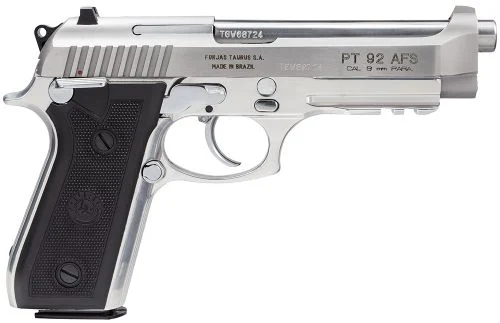
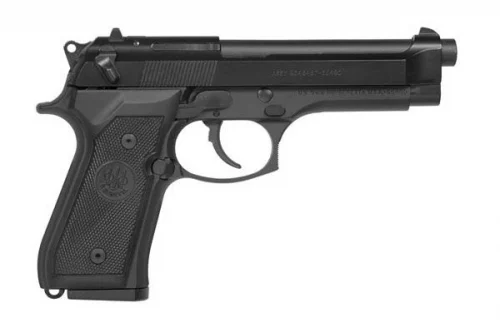
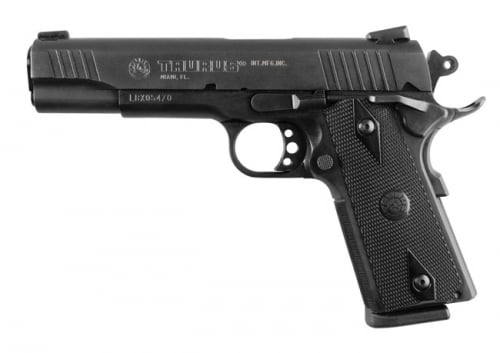
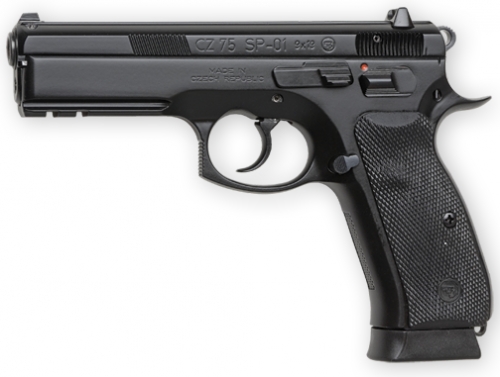
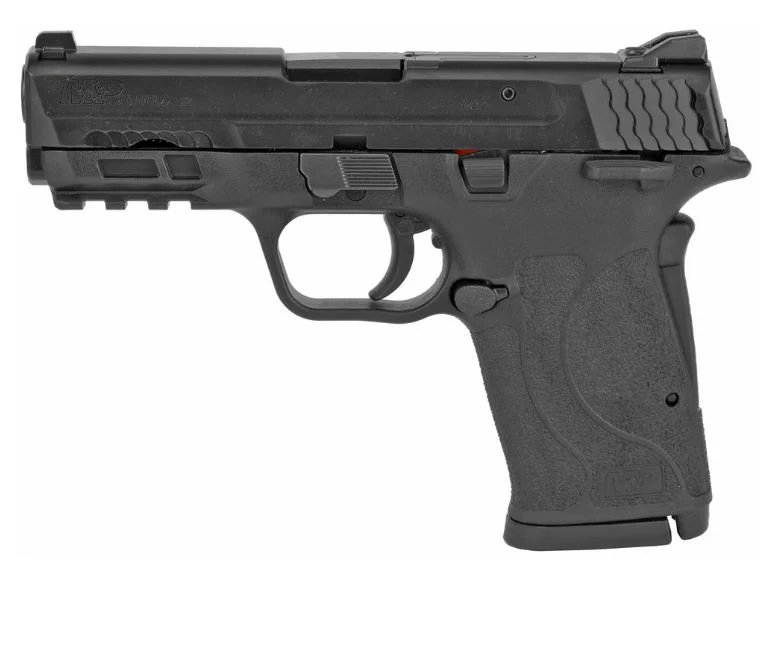
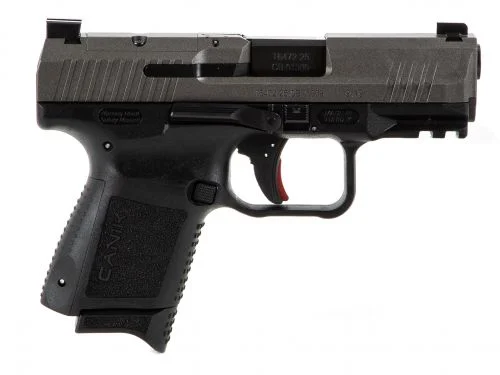
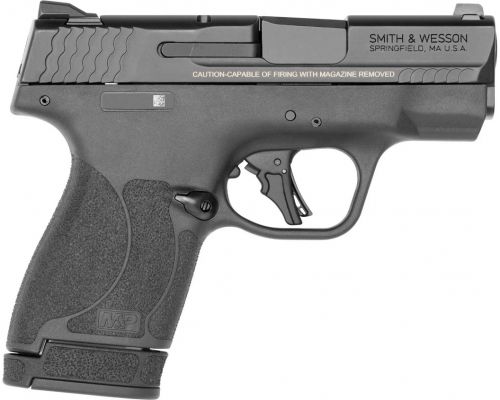
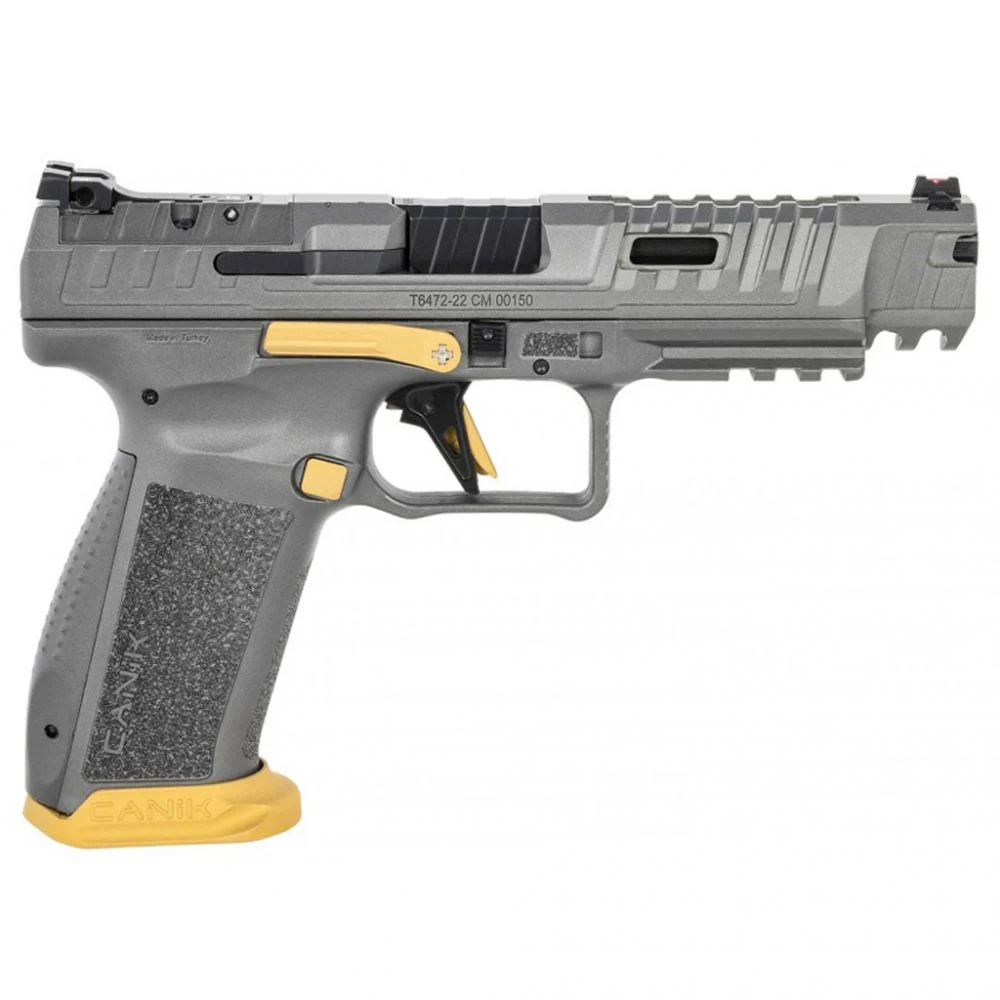
A full-size or compact 9mm pistol is the most popular home defense choice. It is easy to store in a quick-access safe, easy to hold with one hand while you use a phone, and it can also be carried outside the home under Florida's carry laws.
- Pros: compact, easy to store, doubles as a carry gun.
- Cons: harder to shoot well under stress than a long gun; needs regular practice.
- Add-ons: a weapon-mounted light and night sights.
Option 2: the shotgun
A 12- or 20-gauge pump or semi-auto shotgun has been a home defense standard for generations. A 20-gauge kicks less and still works well at room distances.
- Pros: strong effect at close range, simple to operate, widely available.
- Cons: recoil, limited capacity, and buckshot still penetrates interior walls.
- Tip: pattern your load at home-defense distances so you know how much it spreads. At indoor range, the spread is smaller than many people expect.
Option 3: the carbine
An AR-15-style rifle or a pistol-caliber carbine is easy to shoot accurately thanks to its stock, sights and light recoil. Many trainers now recommend a carbine for home defense.
- Pros: accurate, low recoil, high capacity, easy to mount a light and red dot.
- Cons: loud indoors, longer to maneuver in hallways, and some calibers penetrate walls; choose defensive loads carefully.
In Florida, remember that buyers must be 21 to purchase any firearm from a dealer, including rifles and shotguns. See our Florida gun laws overview.
Ammunition
Use quality defensive ammunition, not range ammo, in your home defense gun. For handguns, that means jacketed hollow points from a reputable maker. For shotguns, buckshot designed for defense. For carbines, bullets built to expand or fragment rather than full metal jacket. Buy enough to test in your gun at the range and confirm it feeds reliably.
Florida's storage law
Section 790.174 of the Florida Statutes requires anyone who stores or leaves a loaded firearm where a minor under 16 can reach it, or should know one could, to keep it in a locked box or container or secured with a trigger lock. It is a crime if a child gains access and then uses the gun or shows it in public, with limited exceptions. Florida dealers must offer locks and post a notice about this law.
Practical storage choices include:
- Quick-access handgun safes with biometric, keypad or RFID locks, bolted to a nightstand or closet shelf
- Long gun safes or wall-mounted locking racks
- A full safe for everything not staged for defense
Humidity and salt air
Florida's humidity rusts firearms fast, especially in coastal homes and safes without climate control. Use a dehumidifier rod or desiccant in your safe, wipe guns with a light oil, check your defense gun monthly and replace carry and defense ammunition on a regular schedule.
Florida self-defense law basics
Chapter 776 of the Florida Statutes governs the use of force. In short:
- A person may use deadly force if they reasonably believe it is necessary to prevent imminent death or great bodily harm to themselves or another, or to prevent an imminent forcible felony.
- A person who is not engaged in criminal activity and is in a place where they have a right to be has no duty to retreat.
- The law presumes reasonable fear of death or great bodily harm when someone is unlawfully and forcibly entering, or has entered, your dwelling, residence or occupied vehicle, with exceptions such as a person who has a right to be there or law enforcement acting lawfully.
These rules have important details and exceptions. A defensive shooting will be investigated. Consider speaking with an attorney about your situation and read the statute text.
Training
A home defense gun is only as good as your ability to use it under stress. Take a basic class, then practice regularly. FWC-managed ranges such as Tenoroc near Lakeland, the Palm Beach County Shooting Sports Complex, Triple N Ranch near St. Cloud and the Bay County range have supervised handgun and rifle lines. Our city pages list the ranges closest to each area.
Carry outside the home
If your home defense pistol will also be your carry gun, read our guides to Florida permitless carry and the Florida Concealed Weapon License. A license also lets you skip the three-day waiting period on future purchases.
Buying through us
Browse handguns, shotguns, carbines, lights, safes and defensive ammunition in our shop. Firearms ship to a Florida FFL you choose, where you complete Form 4473 and the FDLE background check. Ammunition, lights and most accessories ship to your door.
A simple starting setup
- A reliable 9mm pistol or 20-gauge pump shotgun
- A weapon light
- Quality defensive ammunition, tested in your gun
- A quick-access safe mounted where you sleep
- A basic class and a range day every month or two
- A plan everyone in the home knows
Law summaries in this guide were checked in September 2026. Confirm with the statute text before you rely on them.
General information, not legal advice. Current as of September 2026. Laws change; check the official source before you act.