Florida Hog Hunting: Rules, Land and Gear
Wild hogs live in all 67 Florida counties, and they tear up pasture, citrus groves, wetlands and sod farms. For landowners they are a costly pest. For hunters they are one of the few game animals in Florida that can be hunted all year. This guide covers the rules as described by the Florida Fish and Wildlife Conservation Commission (FWC) as of September 2026, plus practical advice on firearms and field care.
Private land: year-round with permission
On private property, wild hogs belong to the landowner. According to the FWC, with the landowner's permission hogs may be hunted year-round, day or night, by any lawful method, with no bag limit, no size limit and no hunting license or permit required. That makes hog hunting an easy entry point for new hunters.
The key requirement is written permission. The FWC says written permission from the landowner or lessee must be in each hunter's possession and shown to a wildlife officer or other law enforcement officer on request. A short signed note with the property, dates and names of the hunters is the usual approach.
Methods on private land
With permission, hunters may use any legal rifle, shotgun, pistol, crossbow, bow or air gun, including air bows. Hogs may be taken at night with a gun and light, and no extra permit is needed for that on private land with permission. Dogs may be used; dogs that are not physically restrained must wear devices that allow remote tracking and behavior correction.
Public land rules differ
On wildlife management areas and other public land, hog hunting is not open-ended. Each area sets which seasons allow hogs, what methods are legal, whether there are bag limits and whether a quota permit is required. Some areas hold special wild hog quota hunts, and a few allow hog hunting with dogs during set periods. Read the regulation brochure for the specific area before you go. A hunting license and management area permit are required on public land.
Good public options include Three Lakes and Triple N Ranch in Osceola County, Babcock/Webb in Charlotte County, Fisheating Creek in Glades County, Green Swamp in Polk and Lake counties, and parts of the Ocala and Osceola national forests. Our city pages list nearby public land for each area.
Moving live hogs
Live hog trapping and transport are regulated separately from hunting, with rules from both the FWC and the Florida Department of Agriculture and Consumer Services, which oversees animal disease control. If you plan to trap and move live hogs, check both agencies first.
Best calibers for Florida hogs
A mature boar can top 150 pounds and carries a thick shoulder plate, so shot placement and bullet construction matter more than raw power. Most shots in Florida come at short range in palmetto, hammocks and swamp edges, often at night or in low light.
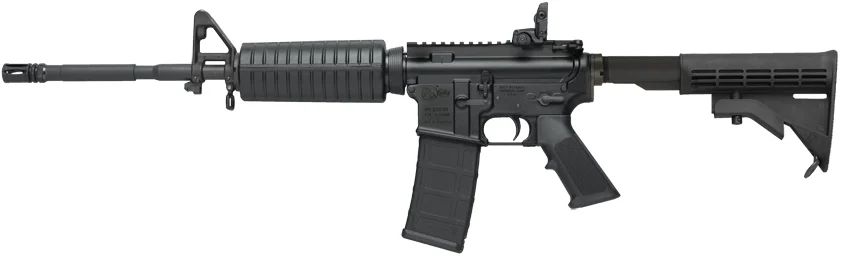
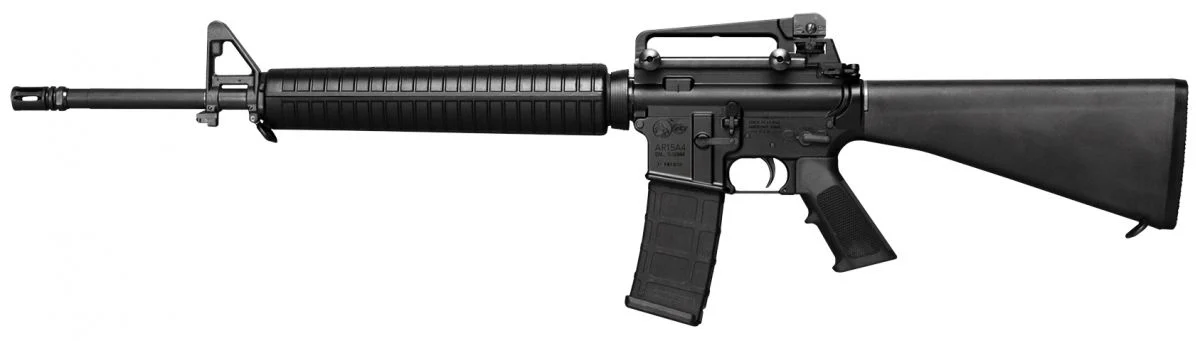
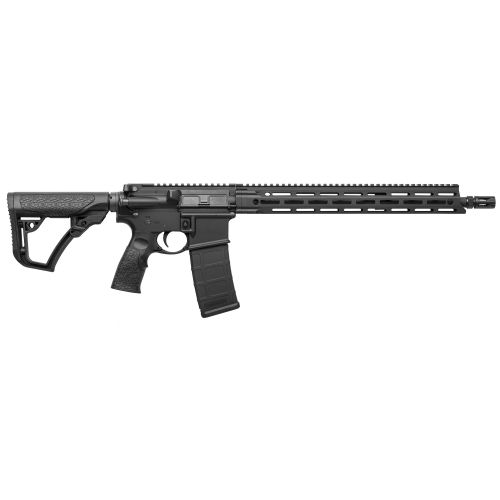
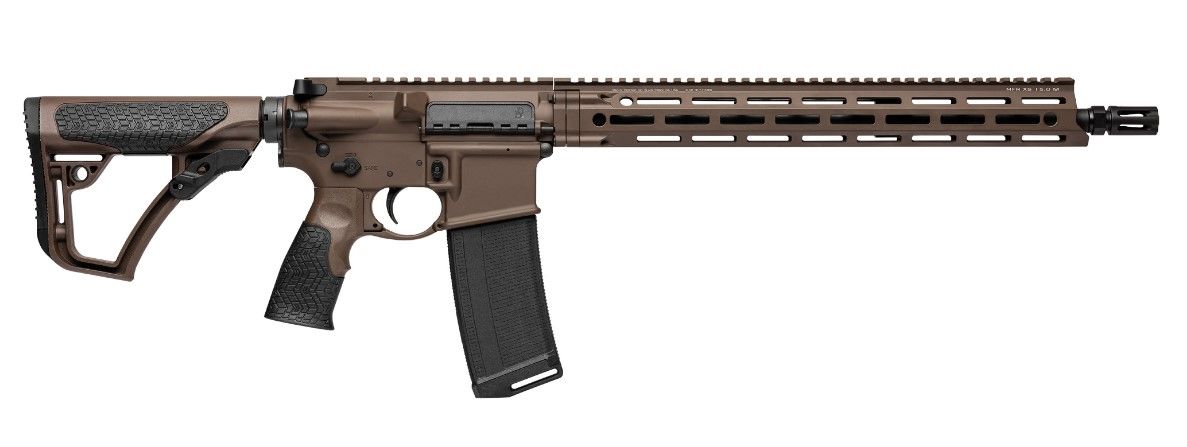
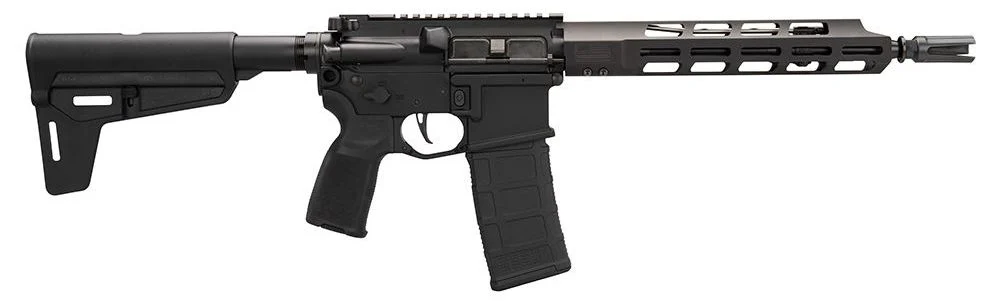
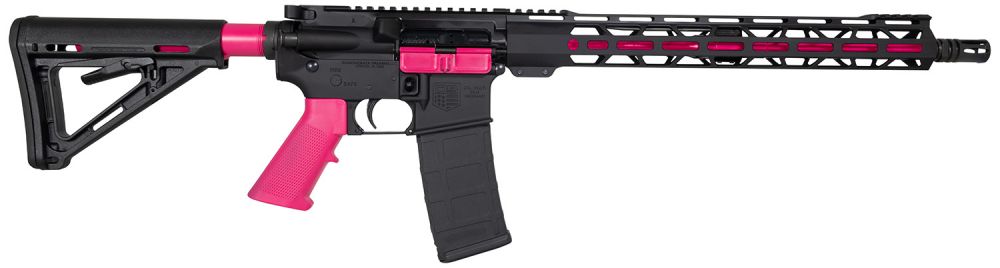
- 5.56 NATO / .223 Remington in an AR-15 works well with heavier bonded or solid copper bullets and good placement behind the ear or in the vitals.
- .300 Blackout is a favorite for night hunting and suppressor users, with heavy subsonic or supersonic hunting loads.
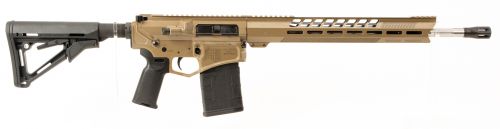
- .308 Winchester and 6.5 Creedmoor give extra margin on big boars and double as deer rifles.
- .350 Legend and .450 Bushmaster hit hard at short range and are well suited to thick cover.
- 12-gauge slugs or buckshot are traditional for close work and dog hunts.
- Handguns in 10mm, .357 Magnum and .44 Magnum are common sidearms for dog hunters who need to finish a caught hog.
Browse rifles, shotguns and handguns in our shop. All firearms ship to a Florida FFL you choose. Ammunition and optics can ship to your door where legal.
Night hunting gear
Night hunting is legal on private land with permission, and it is often the most productive time. Popular setups include:
- Weapon lights and green or red hog lights mounted on the rifle
- Thermal or digital night vision scopes and monoculars for scanning fields
- Feeders on timers and trail cameras to pattern hogs
- A quality sling and bipod or shooting sticks
Always identify your target and what is beyond it. Livestock, deer, people and property can all be close to a feeder at night.
Shot placement
A hog's vitals sit lower and farther forward than a deer's, tucked behind the front leg. Aim low behind the shoulder, or take a head shot just behind the ear at close range. Wounded hogs can be dangerous, so approach carefully and be ready for a follow-up shot.
Field care and safety
Wild hogs can carry diseases such as swine brucellosis that can infect people. The FWC and health agencies advise wearing disposable gloves and eye protection when field dressing, avoiding contact with blood and fluids, washing hands and tools, and cooking pork to a safe internal temperature. Cool the carcass quickly in Florida heat; ice in a cooler is often better than hanging.
Hogs and deer season
If you hunt hogs on land that also holds deer, remember that deer seasons, zones and legal methods still apply to deer. See our Florida deer hunting guide for 2026-27 dates. Florida's age and waiting period rules for buying a hunting rifle are covered in our Florida gun laws overview. A hunter safety card exempts a rifle or shotgun purchase from the three-day wait.
Where to practice
Night and close-range shooting takes practice. FWC-managed ranges like Tenoroc in Lakeland, Triple N Ranch near St. Cloud and Cecil M. Webb near Punta Gorda offer supervised rifle and handgun lines. The Ocala and Apalachicola national forest ranges are free and unsupervised.
Quick checklist
- Written landowner permission in every hunter's pocket
- Know the property lines and neighbors
- Right caliber and a bullet built for thick hide
- Light or thermal setup for night hunts
- Gloves and eye protection for field dressing
- Area rules checked if hunting public land
Hog rules in this guide come from FWC pages checked in September 2026. Confirm current rules before you hunt.
General information, not legal advice. Current as of September 2026. Laws change; check the official source before you act.